

96% of UK adults unaware most Mother’s Day flowers come from East Africa, and of low pay and harsh conditions faced by workers who grow them
As Mother’s Day drives a surge in flower sales (around 20 million of us say we will be buying flowers, new Fairtrade research reveals a major public blind spot about where our flowers come from and the conditions faced by the women who grow them.
As Mother’s Day drives a surge in flower sales (around 20 million of us say we will be buying flowers) new Fairtrade research reveals a major public blind spot about where our flowers come from and the conditions faced by the women who grow them. Fairtrade is urging shoppers to choose Fairtrade flowers and calling on the UK Government to strengthen protections for workers across global supply chains.
1 in 4 people (26%) think most flowers sold in the UK at this time of year come from the UK. Most said the Netherlands (34%) whilst just 3% correctly identified Kenya as the primary source (around 40%) of the flowers sold in the UK at this time of year.
Co-op, the UK’s largest retailer of Fairtrade flowers, sourced 112.5 million stems of Fairtrade flowers last year alone.
Women make up a large proportion of the global flower workforce, yet too many are still in low-paid, insecure and unsafe roles. Fairtrade flowers offer stronger protections for workers, particularly women. This Mother’s Day, Fairtrade is urging people to support the women behind our bouquets – by choosing Fairtrade flowers and by signing Fairtrade’s petition to demand business that's fair to people and planet.
A new Kantar survey commissioned by the Fairtrade Foundation ahead of Mother’s Day (Sunday 15 March) reveals only 4% of UK adults are aware that most of the flowers sold at this time of year come from East Africa (mainly Kenya and Ethiopia). Over 80% of flowers sold in the UK are imported, with around half grown in East Africa, 12% in the Netherlands and 9% in Colombia.
Flowers remain one of the UK’s favourite Mother’s Day gifts: 39% of people plan to buy them this year, rising to 70% of 25-34 year olds and 61% of 16-24 year olds. However, the survey highlights a striking lack of awareness of the people and places behind the stems.
Many flower workers in Kenya, Ethiopia, Colombia and Ecuador - most of them women - face low pay, long hours, unsafe working conditions and exposure to harmful chemicals. On average, flower workers in Kenya earn £2 a day or less.
More than three quarters (76%) of people in the UK aren’t aware that most flower growers working in East Africa earn below the living wage for their work growing the flowers we buy at this time of year. 90% were concerned about the human rights and environmental challenges in the industry, including low pay and exposure to pesticides, faced by flower growers working overseas, and two thirds of people are interested in finding out more about the people who grow their flowers (rising to 88% of 25-34 year olds).
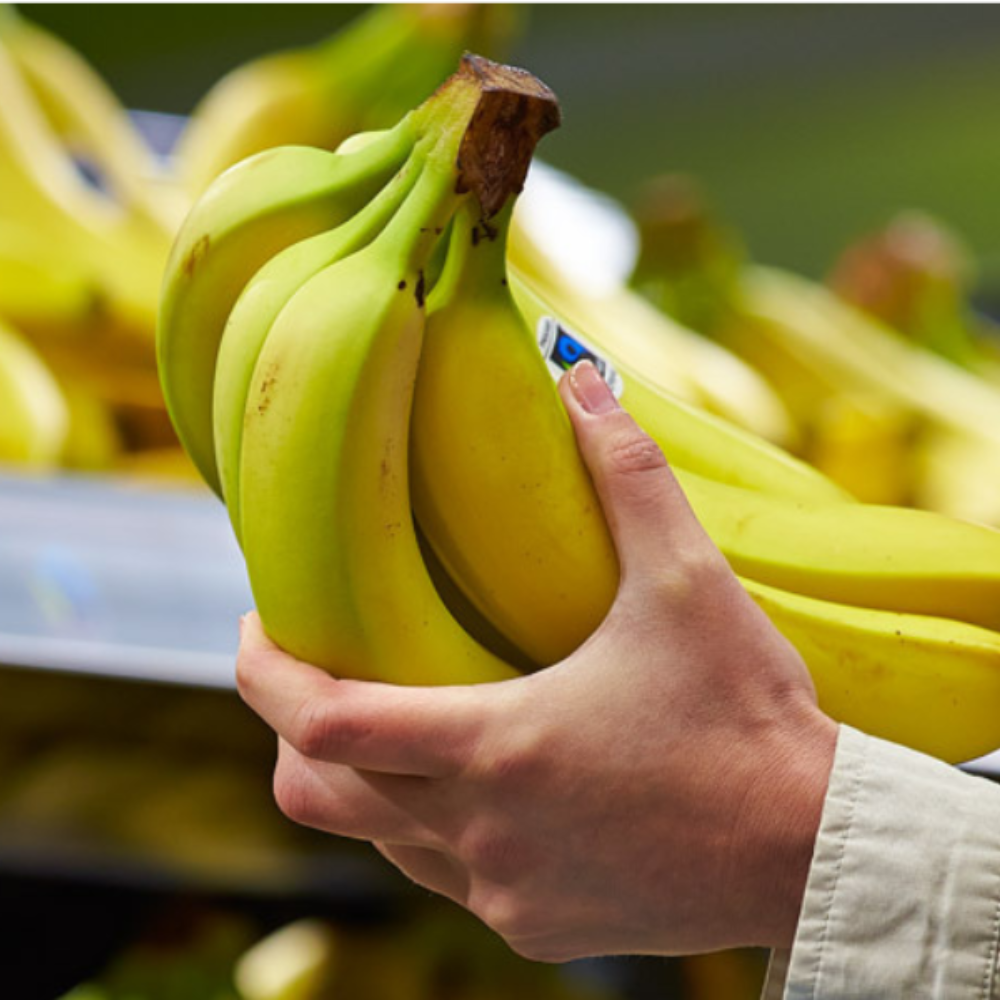
Choosing flowers with the Fairtrade Mark on their packaging means they have been grown on Fairtrade-certified farms which have met strict Standards, including rules on health and safety including pesticides and protective equipment.
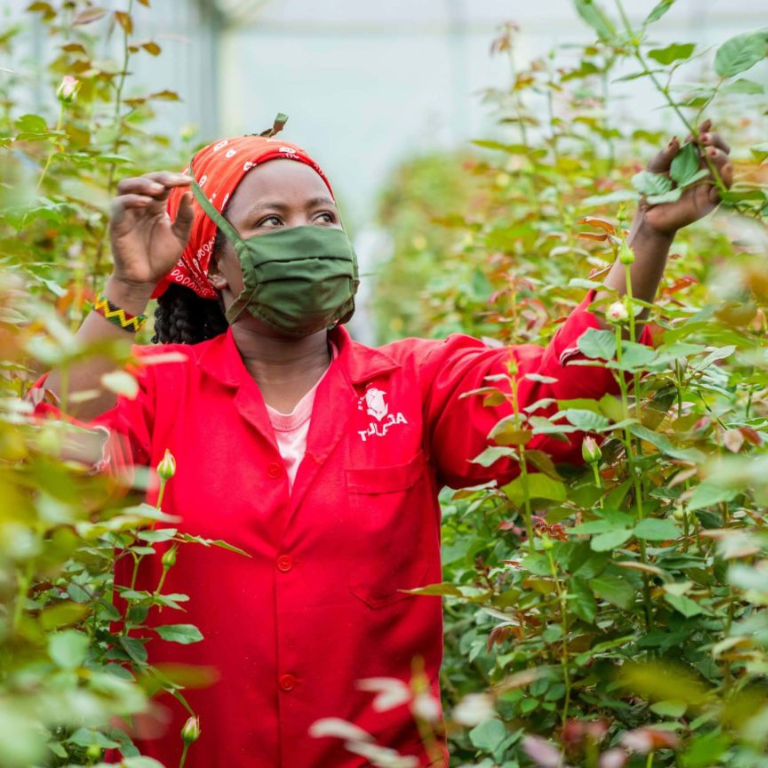
Up to 70% of workers on flower farms in Kenya are women. On Fairtrade-certified farms, workers - most of them women - benefit from stronger protections and investment in their wellbeing. At Shalimar Flowers Farm in Naivasha, Kenya, Fairtrade Premium funds have supported leadership training, childcare and skills development. As Rebecca Amoth, who works as a flower grower on the farm, explained:
“When I started working here, it was common to hear cases of harassment. Women were afraid to speak up, and even more afraid to dream… Today, more women are stepping into leadership. And when something isn’t right, we speak up.”
Rebecca has also been able to access subsidised childcare because of Fairtrade sales - paying just £0.90 a month instead of the £12 charged by private facilities. Fairtrade Premium funds have helped train workers like her to develop new skills and earn additional income to support their families. “I’ve paid school fees without stress, and I’m building a permanent home,” Rebecca explained.
Fairtrade flowers are grown with respect for people and for the planet, making them a good option for those looking to buy flowers this Mother’s Day. 57% of people (60% of women) surveyed agreed, saying that knowing flowers were Fairtrade would make a Mother’s Day gift feel more meaningful. However, over half of UK shoppers (57%) are unaware that Fairtrade flowers are widely available to buy, in supermarkets and online retailers.
Responding to the findings, Marie Rumsby, Director of Advocacy at the Fairtrade Foundation, said:
“Women make up a large proportion of the global flower workforce, yet too many are still in low-paid, insecure and unsafe roles. This Mother’s Day, we’re urging people to support the women behind our bouquets – by choosing Fairtrade flowers and by signing Fairtrade’s petition to demand business that's fair to people and planet – these simple acts will help protect the women who grow the blooms we love.
“Our research shows UK shoppers care deeply about how their flowers are produced, but they aren’t getting the transparency they deserve. People want to make ethical choices, yet the reality of low pay, long hours and unsafe conditions is too often hidden from view. Businesses and government must step up to ensure the people behind our flowers are protected and treated with dignity.
“Right now, companies can still operate without taking full responsibility for what happens in their supply chains. That’s why Fairtrade is calling for a strong, mandatory human rights and environmental due diligence law - one that ensures workers are safe, paid fairly and able to speak up without fear.
“This Mother’s Day, look for the Fairtrade Mark on your flowers to support the people who grow them. And as the Government concludes its Responsible Business Conduct Review, we urge Ministers to put fairness for farmers and workers at the heart of UK supply chains.”
The Government is expected today (9 March) to publish an update on its National Baseline Assessment of progress against the UN Guiding Principles on Business and Human Rights, and is expected to release the outcome of its Responsible Business Conduct Review later this month. As the Government finalises its Review, Fairtrade is urging Ministers to introduce a strong, mandatory human rights and environmental due diligence law so companies take responsibility for conditions in their supply chains.
Against this backdrop, the research shows strong public backing for tougher action: 82% of UK adults surveyed believe both the UK Government and businesses should do more to prevent human rights abuses and environmental harm in their supply chains.
To amplify the call for government legislation, on Tuesday 10 March a digital van will tour Westminster displaying messages to the Minister for Trade, Sir Chris Bryant. The messages come from Fairtrade’s CEO, Fairtrade farmers and workers, fair fashion campaigner Venetia La Manna, and the CEOs of Co-op and Cafédirect — all urging the introduction of a responsible business law (also known as a Human Rights and Environmental Due Diligence law).
Alongside this, around 1,000 postcards from Fairtrade supporters are being sent directly to the Minister to reinforce the message.
In the UK, Fairtrade flowers can be bought online at Arena Flowers and Bloom & Wild, or in supermarkets like Aldi, Asda, Co-op and Lidl.
Emily Pearce, Co-op’s Senior Sustainable Sourcing and International Development Manager, said:
“It’s clear from the research that flowers remain a firm Mother’s Day favourite. At Co-op, we’re proud to be making it easier for our members and customers to choose Fairtrade as the UK’s largest retailer of Fairtrade flowers, sourcing 112.5 million stems last year alone. We have been supporting Fairtrade for more than 30 years, championed by our passionate members. We see first-hand the difference it can make and whilst there is still much to do to address unfairness in global food supply chains, we know that through our commitment, our members and customers are contributing to a fairer deal for the farmers and workers producing these beautiful blooms.”
The global cut flowers trade is worth over US $30 billion. Last year in the UK, florists saw a more than fivefold transaction uplift on the Friday before Mother’s Day.
- END -
Notes to Editors:
Contact - For more information, please contact:
Laura Ouseley Laura.ouseley@fairtrade.org.uk, +44 (0)7909 875 956
Martine Parry Martine.Parry@fairtrade.org.uk
Spokespeople available from the Fairtrade Foundation and from Fairtrade flower farms in Kenya. Fairtrade supporter, activist and sustainability campaigner Venetia La Manna is also available for interviews.
Photo call: On Tuesday 10 March, a digital van will circle the Houses of Parliament displaying bold messaging urging UK Trade Minister Chris Bryant to commit to introducing a Human Rights and Environmental Due Diligence (HREDD) law. All day from 9 am, circling every 10-15 minutes.
Survey: Kantar, Total sample 1279 (GB 16+), Fieldwork dates 2-5 February 2026.
Photos (and b-roll) of Rebecca Amoth and other Fairtrade flower growers are available here: Fairtrade Foundation
- Petition - Fairtrade is calling for a new UK law on responsible business. The UK is expected to conclude its review into Responsible Business Conduct in March, including its consideration of a mandatory Human Rights and Environmental Due Diligence (HREDD). Sign Fairtrade’s petition ‘Demand Business That's Fair to People and Planet’ on our website.
- About Fairtrade - Fairtrade is here for people, planet and pay. Fairtrade changes the way trade works through better prices, decent working conditions, and a fairer deal for farmers and workers in low-income countries. Visit: fairtrade.net/uk-en
About Fairtrade Flowers:
Fairtrade Premium delivers more than £6.3 million each year to flower farm workers for community projects (housing, education, health, training etc).
Over 75,000 workers were employed on Fairtrade certified flower and plant farms at the end of 2023.
Cut roses are the most widely available Fairtrade flowers, but lilies, carnations, gypsophila and other cut flowers are also grown on Fairtrade certified farms as well as many varieties of young plants such as poinsettias and corn plants.
Fairtrade-certified flower farms are required to identify and record environmental risks, develop and implement a climate change adaptation plan.