

Fairtrade warns that the war in Iran will have lasting consequences for farmers
Fairtrade is deeply concerned by the ongoing war in Iran and the Middle East, including reports of harm to communities and the wider escalation across the region.
As a global movement built on fairness, dignity and human rights, we believe people’s safety and fundamental freedoms must be protected in all circumstances. Our thoughts are with everyone affected, and we are monitoring developments closely, including the knock-on effects on global supply chains that millions of farmers rely on for their livelihoods.
While Fairtrade supply chains are not currently directly linked to production in Iran, we have worked in the past with Fairtrade-verified enterprises and cooperatives in the wider region, including producers of Lebanese wine and traditional foods.
The impacts of this war are being felt around the world. Even when Fairtrade producers are far from the conflict, disruption in the region is pushing up energy, fertiliser and freight costs worldwide. Heightened risk around key shipping routes increases insurance and transport costs, creates delays, and raises the price of essential inputs such as fertiliser, pressures that are most acutely felt by smallholder farmers. Many farmers in Asia and across East Africa rely on imported fertiliser, and sustained price rises can force difficult choices: either absorb higher costs or use less fertiliser, with direct impacts on yields and incomes.
Indirect impacts on commodities such as tea and coffee are becoming increasingly significant. Grounded or rerouted shipments, longer transit times, and additional humidity resistant packaging and warehousing requirements are raising costs and risks for producers and buyers. These pressures accumulate as planting seasons and purchasing contracts renew, compounding existing shocks from extreme weather and market volatility.
Sustained increases in cost of production, energy, and transport are expected to filter through to UK supermarket shelves over the medium to long term. Fairtrade partners report that rising energy and fertiliser prices are already affecting coffee farmers in key producing countries such as Vietnam, with these cost pressures now reaching roasters and buyers in the UK.
Heightened insecurity in the Gulf has pushed up insurance and freight costs and, in some cases, forced vessels to divert around the Cape of Good Hope. This adds weeks to transit times and increases the cost of protecting sensitive cargo such as coffee. For producers, longer delays and higher expenses mean greater uncertainty and reduced income.
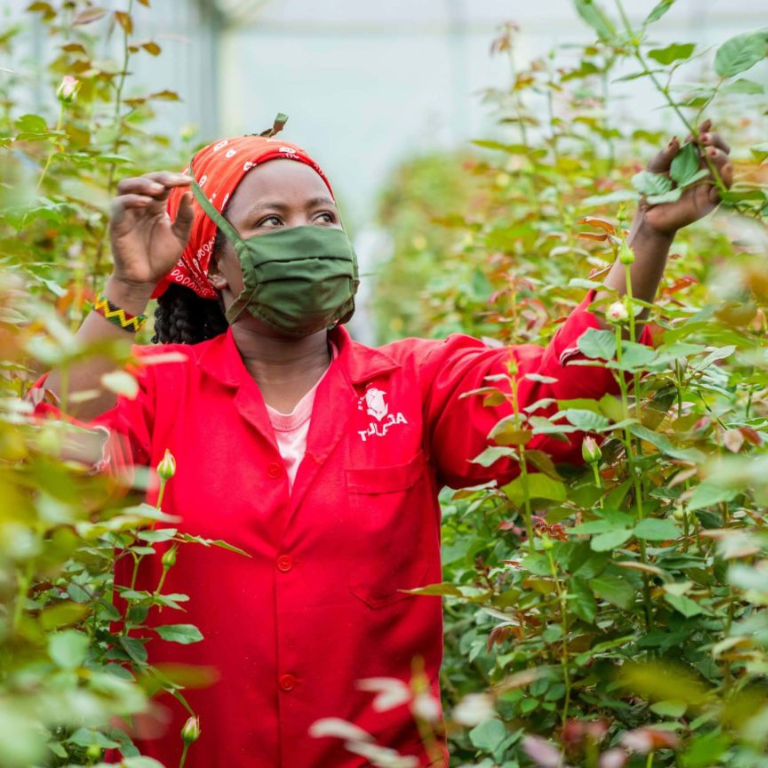
In Kenya, Fairtrade partners report that tea consignments have been delayed in Mombasa warehouses due to conflict-related disruption, leaving farmers without timely payment. An estimated 8 million kg of tea is currently held up, putting substantial weekly income at risk for farming families. Iran’s role as a key market for tea from Assam and Kenya adds further uncertainty for producers. The Middle East is also a major market for Kenyan flowers, which are air-freighted and therefore impacted by higher fuel costs.
These upstream shocks disproportionately affect farmers and workers. Too often, the real burden falls on those least able to absorb it, with potentially serious long-term consequences for livelihoods.
We are staying in close contact with partners and monitoring pricing and logistics so we can understand emerging risks and support producers where possible. We continue to call for restraint, de-escalation and the protection of civilians. Our focus remains on ensuring farmers are not left to absorb the costs of global disruption, and that supply chains are as resilient as possible. We urge retailers and brands to continue to pay a fair price and work with Fairtrade to build resilience in supply chains.
- ENDS -
Notes to Editors:
For more information, please contact:
Laura Ouseley
Laura.ouseley@fairtrade.org.uk,
+44 (0)7909 875 956,
Martine Parry
Martine.Parry@fairtrade.org.uk or media@fairtrade.org.uk