


Meet Ever: ‘It’s getting much hotter… the temperature is really intense’
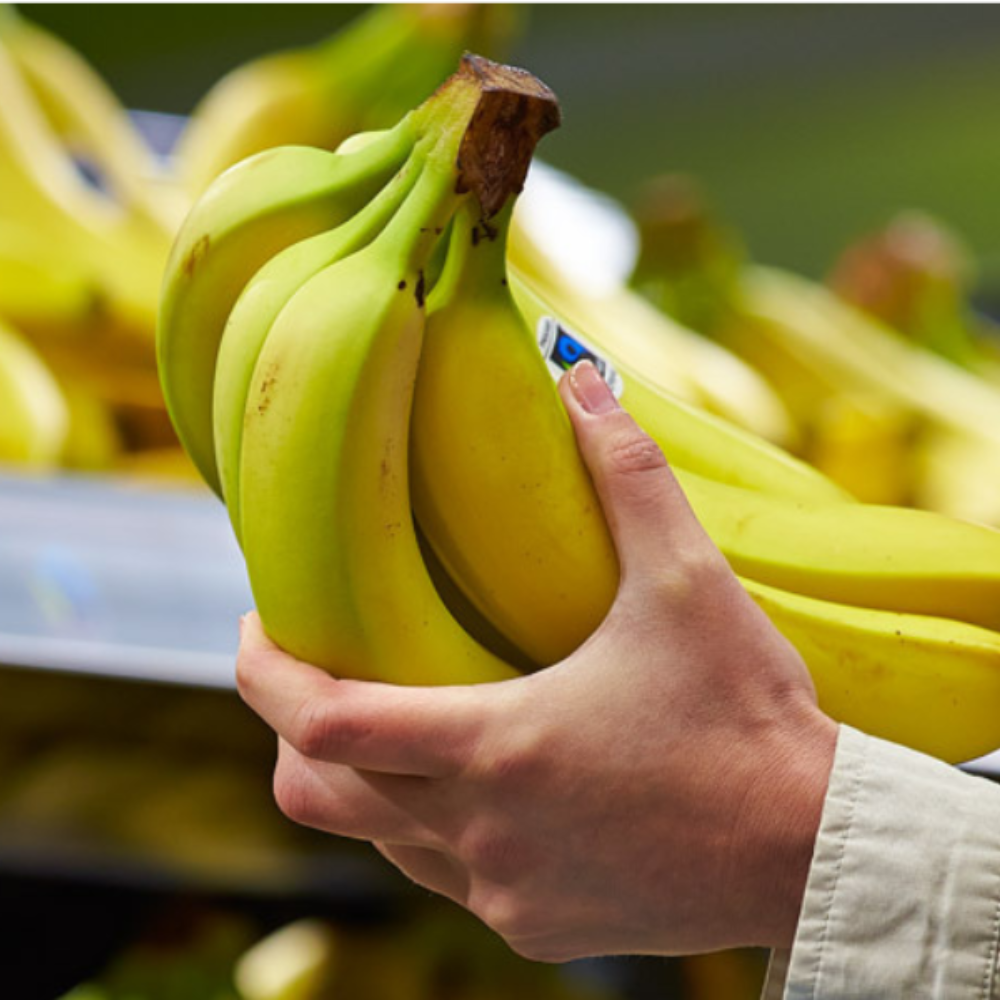
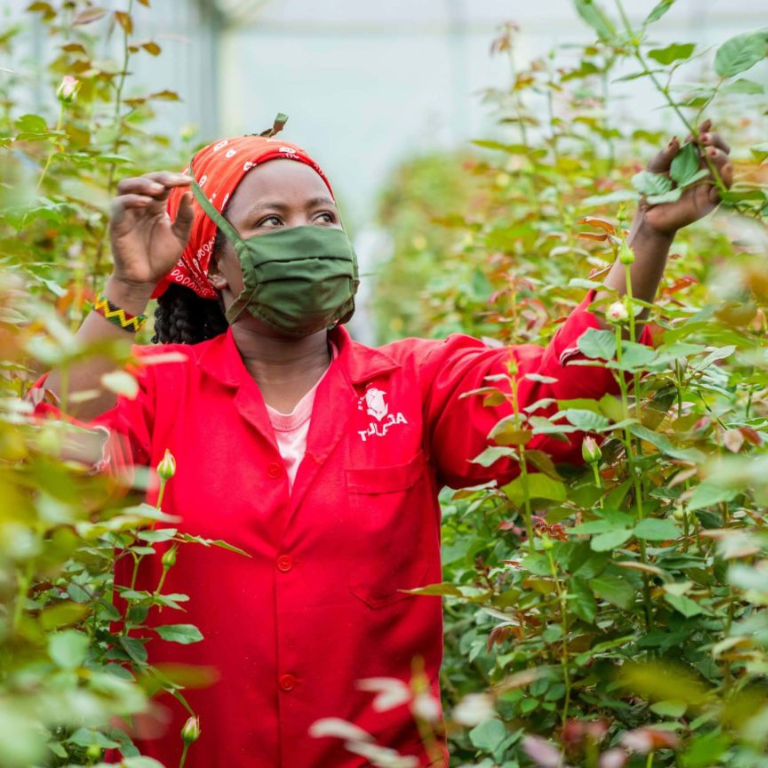
In Colombia, where Ever works on a banana plantation, rising temperatures have made working conditions more intense, while prolonged drought disrupts the delicate balance banana plants need to grow.


7 Questions with Ever:
Tell us about yourself, Ever?
“My name is Ever Antonio Flores Muñoz… I’ve been working here for 10 years… I work as an Environmental Monitor here on the farm.”
What does your work involve?
“Well, as an Environmental Monitor I’m always doing the rounds, checking the wild areas… and also the green ground cover… because the idea is to have an area fully covered with green vegetation.”
What matters most to you in your life?
“Well, I’ve got two daughters… and thanks to the job I have, I can provide them a better quality of life.”
How do you protect nature on your banana farm?
“We’ve created wildlife corridors for the animals… where they can roam across the entire farm… even to the neighbouring farms. We’ve also got a nature reserve… roughly between 20 and 25 hectares… and thanks to that reserve we’ve got various animals living there.
We’ve got a living water source… water springs emerge from that area… it depends on those 20–25 hectares of forest we’ve got up there… These trees have been here for years, protecting all of this.”
What changes have you seen in the climate?
“Well, the climate over the past 10 years has changed quite a lot… it’s getting much hotter… we have to take more breaks because of the temperature, it’s really intense.”
What worries you most about the future?
The biggest challenge we’re going to face is drought, because it’s going to affect all of us — our workers, colleagues — everything will be at great risk, and our wages will decrease .’
How is Fairtrade supporting you and your work?
“Thanks to Fairtrade… we’ve got that support that allows us to have areas for our animals… and they support us with the ecological farm project… I’ve seen losses in other places due to flooding and strong winds, and thank goodness we’ve got these 20 to 25 hectares [of protected forest] that protect us from those impacts — whether it’s wind or heat’
[Fairtrade] teaches us how to manage the waste… so it can be used again…. Since [the Sustainable Banana Programme] started, we’ve got plants with more vigour and larger bunches, which allows us to sustain our livelihoods.”
Farming on the frontline of climate change

Protecting forest, water and livlihood with Fairtrade
