

UK shoppers demand fair practices in the tea industry
A new study released for the start of Fairtrade Fortnight (22 September – 5 October 2025) reveals UK shoppers want transparency about where tea and other products they buy come from, as the Fairtrade Foundation calls on shoppers, businesses and the UK Government to ‘Brew it Fair’.
- Consumers are tired of being kept in the dark about where their products come from and the conditions farmers live in. New research undertaken by Kantar finds 86% of UK adults think brands should be upfront about sourcing.
- More than half of shoppers believe businesses should take a ‘large amount’ or ‘full responsibility’ for protecting workers’ human rights.
- 10% of tea sold in the UK is Fairtrade, with many shoppers wrongly assuming major brands like PG Tips, Tetley, Typhoo, and Yorkshire Tea are Fairtrade.
- Hundreds of Tea Parties will be held across the country during Fairtrade Fortnight as tea drinkers, businesses and the UK Government are urged to ‘Brew it Fair’, with just 1 in 5 tea growers in Kenya earning enough to cover basic needs like food, housing, and education.
A new study released for the start of Fairtrade Fortnight (22 September – 5 October 2025) reveals UK shoppers want transparency about where tea and other products they buy come from, as the Fairtrade Foundation calls on shoppers, businesses and the UK Government to ‘Brew it Fair’.
The study by Fairtrade, with research undertaken by Kantar, finds 86% of shoppers want brands to be upfront about sourcing and more than half (55%) think businesses should take a ‘large amount’ or ‘full responsibility’ for protecting the human rights of workers in their supply chains.
However, in the tea industry, many big tea companies still aren’t telling the full story, leaving shoppers in the dark and making it harder to choose products that support fair wages and better working conditions.
Despite UK consumers drinking around 36.5 billion cups of tea per year, widespread misconceptions persist about its origins and how it is produced. The Fairtrade study reveals over a third of UK adults (37%) believe most of the tea we drink in the UK originates from India and a high number (21%) believe it originates from the UK (this figure rises to 46% among 25-34 year olds). In fact, almost all of the tea brewed in UK homes and cafés is imported from overseas, with around 40% starting its journey in Kenya and around 15% from India.
The survey also reveals 75% of the British public think it’s important that tea brands provide clear information about prices paid to producers, to inform purchase decisions, and most believe this would influence their choice of Fairtrade tea. For all tea sourced on Fairtrade terms, producers are guaranteed a minimum price and receive a Fairtrade Premium, an additional amount of money that producers can invest in their farms and communities to address pressing needs such as healthcare, education and climate change.
Just 10% of tea sold in the UK is Fairtrade – including by retailers such as Co-op, M&S, Sainsbury’s and Waitrose as well as Clipper and Greggs – whilst the study reveals many shoppers assume major brands like PG Tips, Tetley, Typhoo, and Yorkshire Tea are Fairtrade.
75% of UK adults believe their shopping habits are the most meaningful way to help build a fairer world. This is reflected in Fairtrade Foundation data showing that retail sales volumes of Fairtrade tea have risen from around £31.4 million to £39.8 million over the last five years, an increase of almost 27%. This growth reflects the value of the ‘green pound’ (total ethical spend in the UK) as people expect businesses to take responsibility for how their products are made.
The Fairtrade Foundation has this year raised fresh concerns over wage conditions in the global tea industry, revealing that just 4% of tea produced on Fairtrade terms is sold as Fairtrade. Tea growers continue to face serious challenges, including low wages, poor living conditions, health and safety risks, gender-based discrimination and violence, and the impacts of climate change.
Marie Rumsby, Director of Advocacy and Communications at the Fairtrade Foundation said:
“We’re working towards systemic transformation in the tea industry by 2027. Public support is growing and these figures show that consumers want action from all stakeholders involved. It’s time to challenge industry myths and scale up change for the people behind our tea, with UK brands and retailers as pivotal partners.”
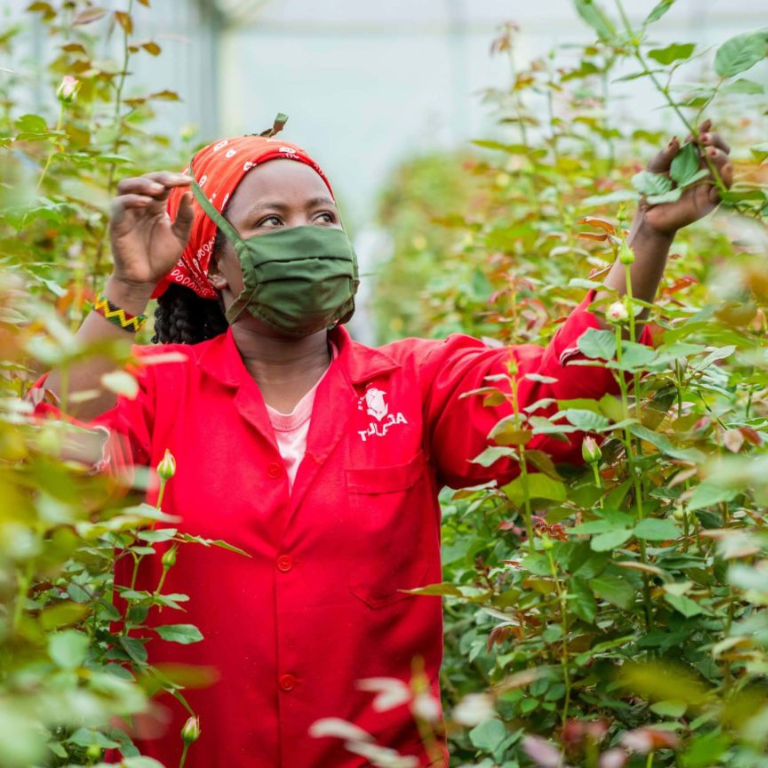
Tea growers in Kenya face challenges including low pay and the impacts of the changing climate. A recent Fairtrade study found that just 1 in 5 Kenyan tea growers earns enough to cover basic needs like food, housing, and education.
Visiting the UK for Fairtrade Fortnight, Nancy Githaiga, a Kenyan tea farmer who is now Factory Manager at Gatunguru Tea Factory and responsible for the livelihoods of around 100,000 tea growers, said:
“If climate change continues unabated, the very existence of the tea bush is threatened, and when the tea bush is threatened, the entire supply chain is threatened. Each and every one of us from the farmer to the consumer has a role to play to ensure that we mitigate against climate change … so that tea farming, the tea farmer and the tea bush is sustainable now and in the future.”
As part of its ‘Brew it Fair’ campaign, the Fairtrade Foundation is calling for urgent action and the introduction of Human Rights and Environmental Due Diligence (HREDD) legislation to tackle these issues and build a fairer future for the people behind Britain’s favourite drink. Over 15,000 people have already signed a petition calling for fairer tea and for HREDD legislation, with thousands more expected to add their names at Tea Parties held around the country during Fairtrade Fortnight, while 73 MPs have added their names to an Early Day Motion calling for an HREDD law.
The study found that 59% of UK adults support HREDD legislation, while just 9% oppose it, showing strong public backing for government action and responsible business practices. Over a third of people (34%) aged 16-24 pointed to government action on trade as the most important factor for building a fairer world.
On Fairtrade certified tea farms such as Gatunguru Tea Factory, where Nancy works and has her own tea farm, the impact that better standards and more stable prices can have on farmers' ability to adopt sustainable farming practices and address human rights concerns is clear. Gatunguru has already taken many steps that would become the norm for all tea factories with HREDD legislation, including helping farmers affected by climate change. Nancy explained:
“Where landslides are involved, we have assisted the farmers to rebuild their homes. We have also helped farmers plant trees to prevent soil erosion and set up tree nurseries to ensure we have enough trees which can cover our community area so that our soils are stable.”
These are practices Fairtrade is calling on the UK Government to ensure all businesses take in order to prevent harm and protect farmers, workers and the environment. They are essential for protecting the supply chains of our favourite products and should be done in ways that do not place additional burden on the growers.
Shoppers today want to know the brands they support are doing the right thing.
Fairtrade Fortnight brings together tea lovers, activists, celebrities, brands, and retailers across the UK to champion fairer trade through nationwide tea parties and bold action.
-Ends -
For more information, please contact:
- Laura Ouseley Laura.ouseley@fairtrade.org.uk, +44(0)7909 875 956,
- Martine Parry Martine.Parry@fairtrade.org.uk or media@fairtrade.org.uk
Notes to Editors:
Kenyan tea farmer Nancy Githaiga and other Fairtrade Foundation spokespeople are available for interviews during Fairtrade Fortnight, which runs from 22 September – 5 October.
Photos of Nancy Githaiga and other Fairtrade producers are available here: Tea Media Press
Fairtrade changes the way trade works through better prices, decent working conditions, and a fairer deal for farmers and workers in low-income countries. Visit: fairtrade.org.uk
Kantar, Total sample 1365 (GB 16+), Fieldwork dates 14-18 August 2025.
Data on UK tea imports from HMRC UK Trade, Overseas trade data table, 2024 year, Black tea (fermented) and partly fermented tea.
The snapshot survey with 265 Kenyan tea pickers and growers in March 2025 was gathered through ‘FairVoice’, a tool developed by Fairtrade which allows farmers and workers to share their experiences directly with us through their mobile devices. Full results shared in ‘Brew it Fair’ report.
Fairtrade Foundation report: ‘Brew it Fair: Creating a Fairer Future for the People Behind the Tea we Drink’ can be read here: fairtrade-brew-it-fair-digital-report.pdf
Fairtrade petition: Sign | Fairtrade Foundation
Fairtrade tea campaign Early Day Motion: Fairtrade tea campaign - Early Day Motions - UK Parliament
Supermarkets and leading brands are doing it fair this Fairtrade Fortnight with online offers, bespoke point of sale materials, social media content and events. Clipper Teas will be hosting a pop-up at Box Park Shoreditch on 23 September, Greggs will have a takeover on their digital screens in 2,500 stores and the Co-op are offering discounts on a range of products in store. Shoppers can also look out for lots of their favourite brands joining in with the Fairtrade Fortnight celebrations, including Ben & Jerry's, Green & Blacks, Tony's Chocolonely, Cafédirect and Divine.